-

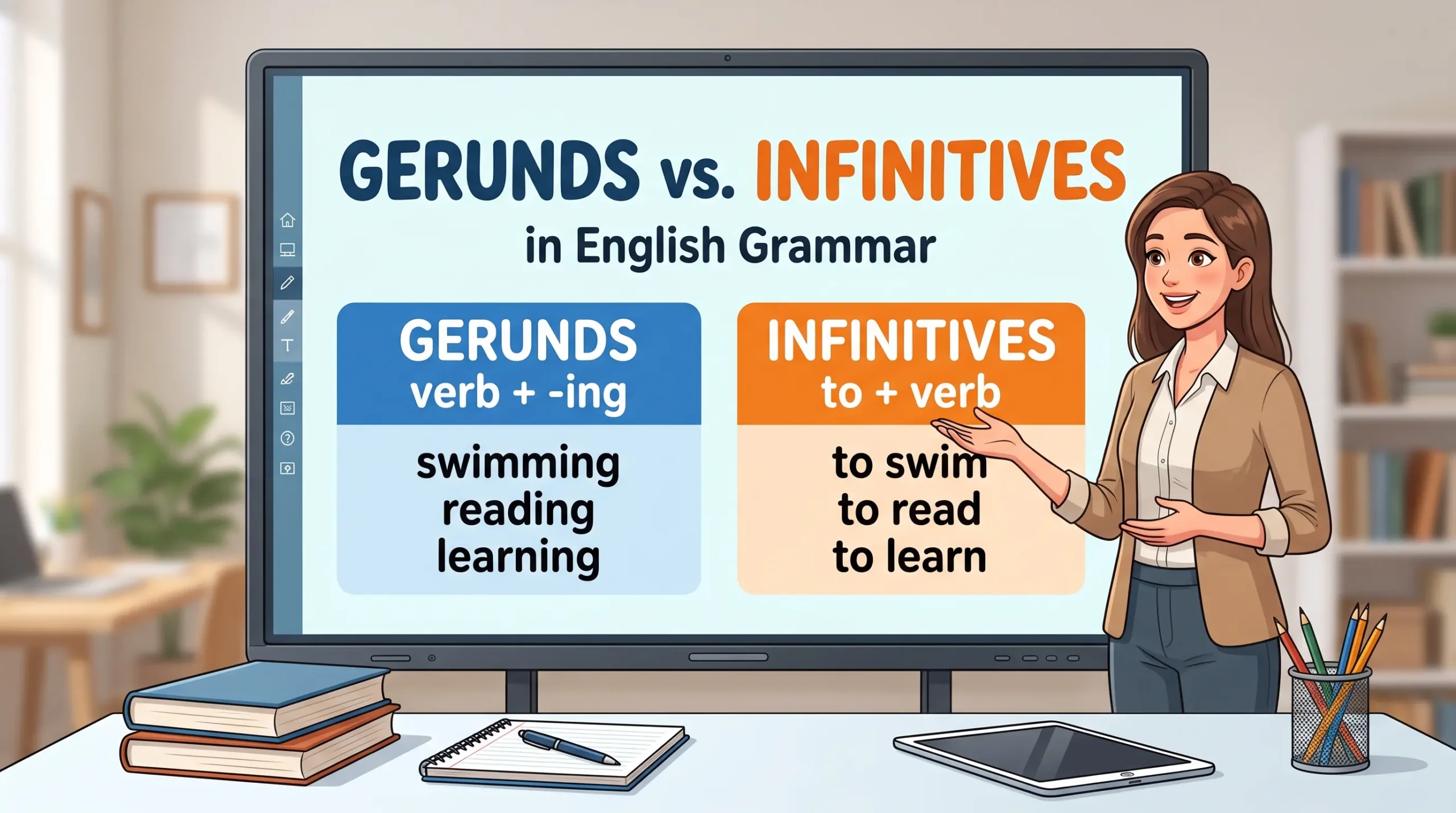
Gerunds vs. Infinitives in English Grammar: Rules, Meanings, and Complete Guide
Gerunds vs. Infinitives in English grammar represent one of the most critical milestones in language learning. Understanding the difference between gerunds (verb + -ing) and infinitives (to + verb) is essential for clear communication. While both forms originate from verbs and function as nouns or complements within sentences, choosing between a gerund and an infinitive…
-
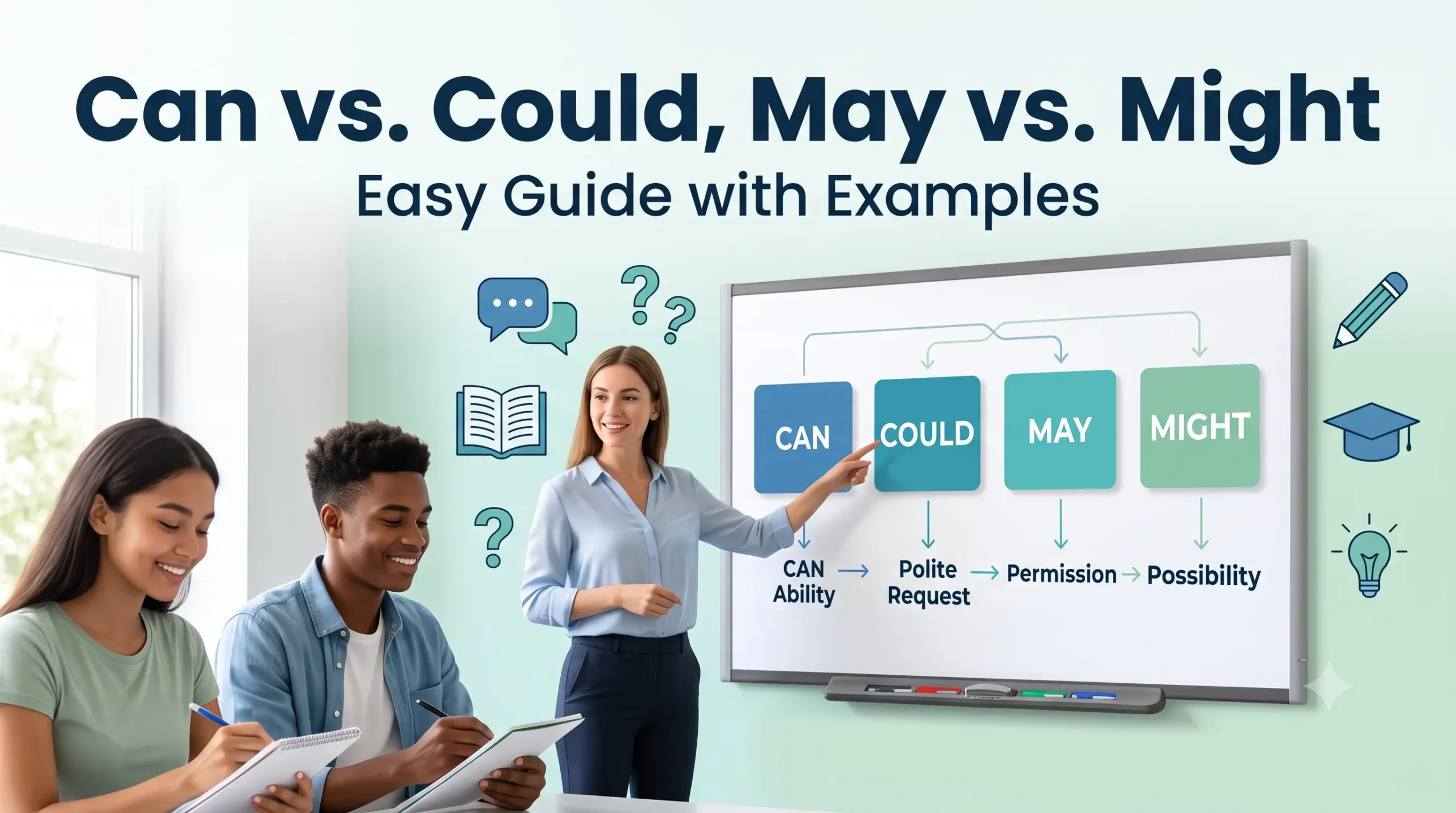
Can, Could, May, and Might: Common Mistakes and How to Use Them Correctly
Introduction Can, could, may, and might are among the most commonly confused modal verbs in English. Although they look similar, each one has a different meaning and purpose. In this guide, you’ll learn the differences, avoid common mistakes, and use them confidently in everyday English. Have you ever paused while writing an email and wondered…
-
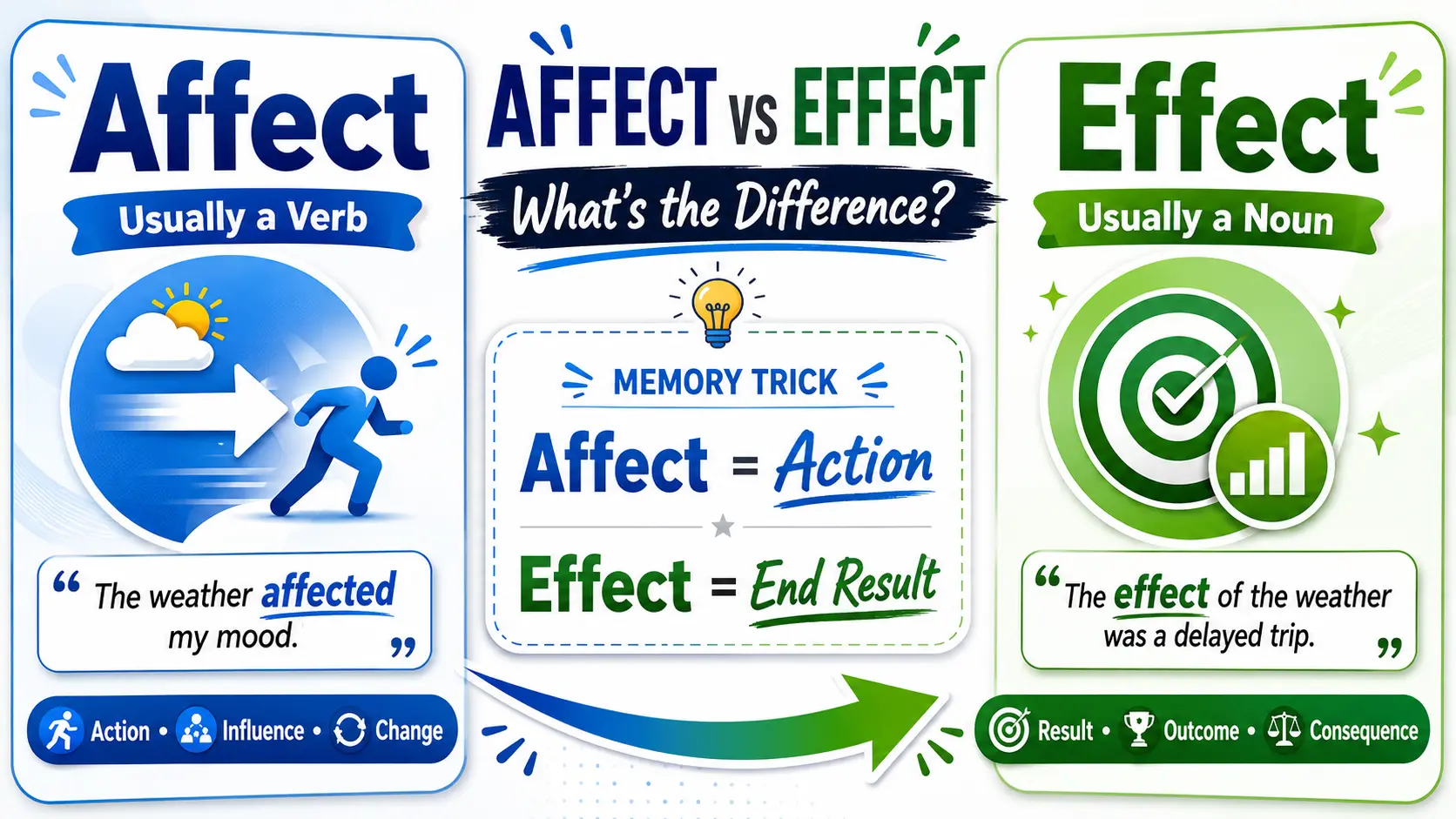
Affect vs Effect: What’s the Difference? (Easy Guide with Examples)
Many English learners struggle with affect vs effect because these words sound similar and are often used in related situations. Let’s be honest: even native English speakers look at a blank screen sometimes, cursor blinking, wondering whether to type affect or effect. It’s one of those grammar hurdles that feels designed to trip us up.…
-
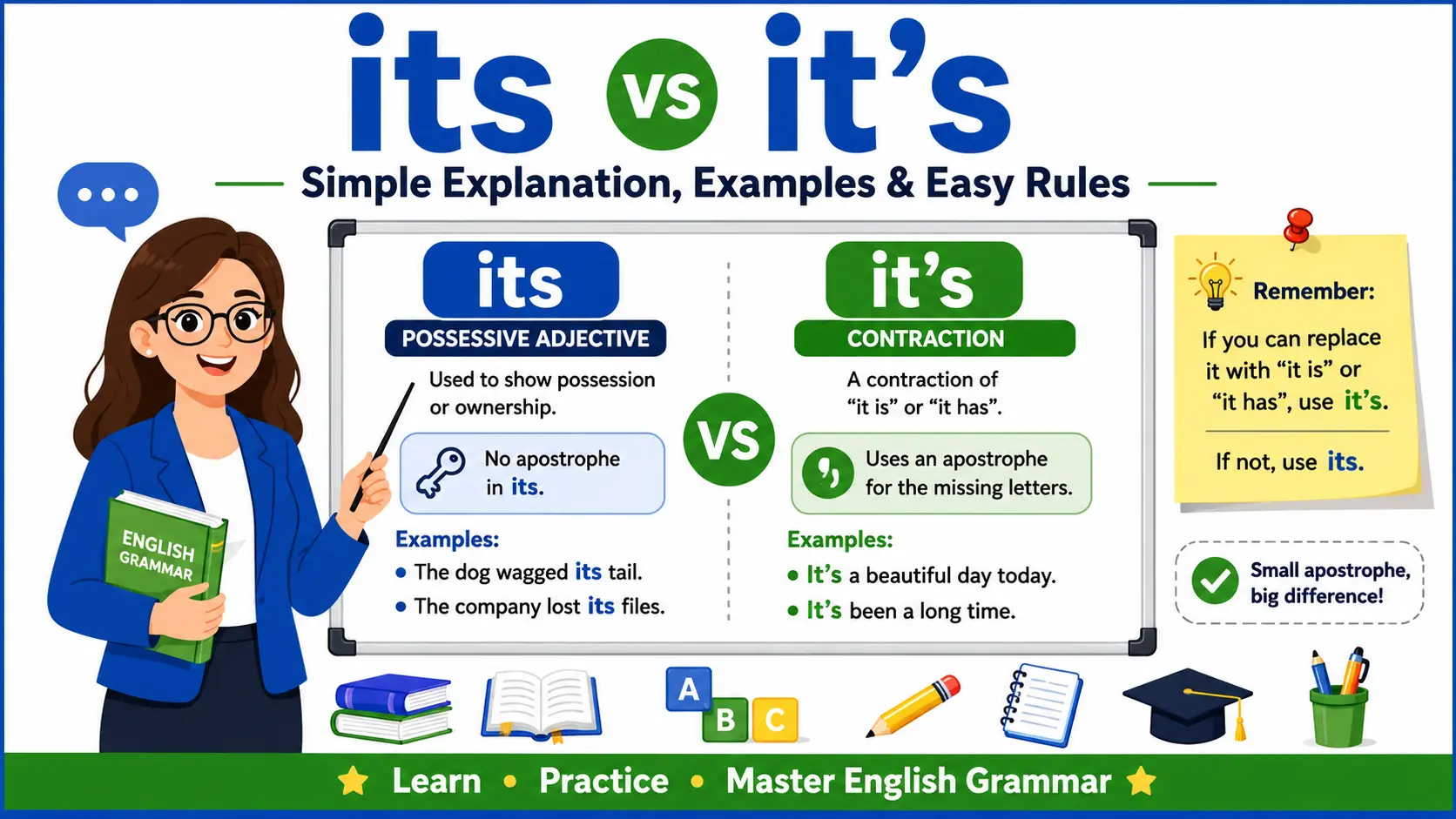
Its vs it’s : Simple Explanation, Examples & Easy Rules
Its vs it’s is one of the most common grammar mistakes in English. Many learners confuse these words because they look similar and sound the same. If you’ve ever stared at your screen for a full minute, hovering your thumb over the backspace key while trying to figure out which one to use, please don’t…
-
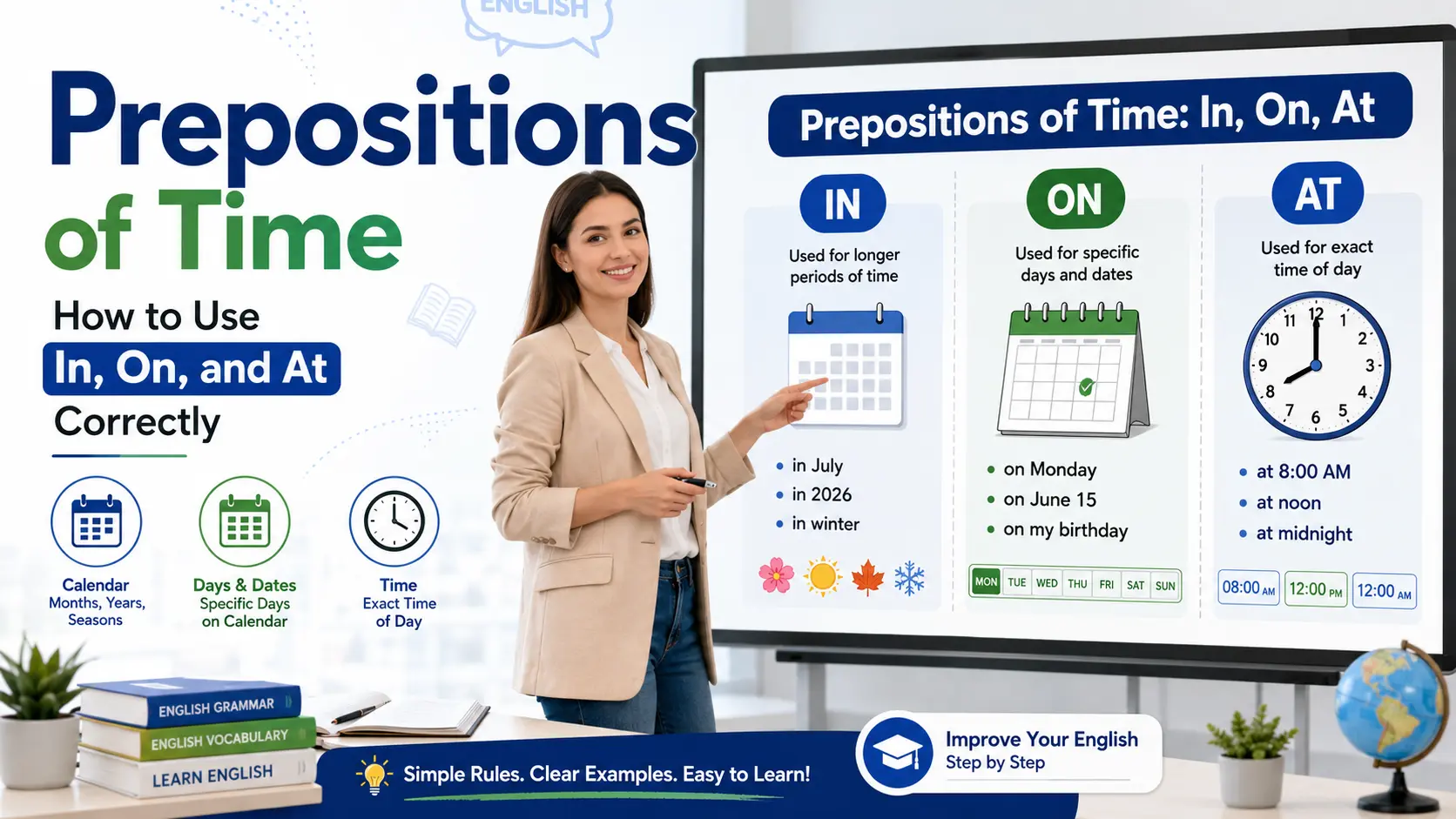
Prepositions of Time: In, On, At
Prepositions of time serve as time markers in English grammar. They establish temporal relationships between the action (verb) and a specific point in time, allowing your reader or listener to anchor events accurately on a timeline. Without prepositions of time, telling stories, setting appointments, or detailing historical sequences would become disjointed and confusing. Understanding these…