-

Borrow vs. Lend: Rules, Examples, and Common Mistakes
When learning English grammar, understanding Borrow vs. Lend can often be confusing because both verbs describe the temporary transfer of an item from one person to another. However, using the wrong word completely flips the direction of the action and alters the meaning of your sentence. In this guide, you will learn the exact grammatical…
-
Can, Could, May, and Might: Common Mistakes and How to Use Them Correctly
Introduction Can, could, may, and might are among the most commonly confused modal verbs in English. Although they look similar, each one has a different meaning and purpose. In this guide, you’ll learn the differences, avoid common mistakes, and use them confidently in everyday English. Have you ever paused while writing an email and wondered…
-
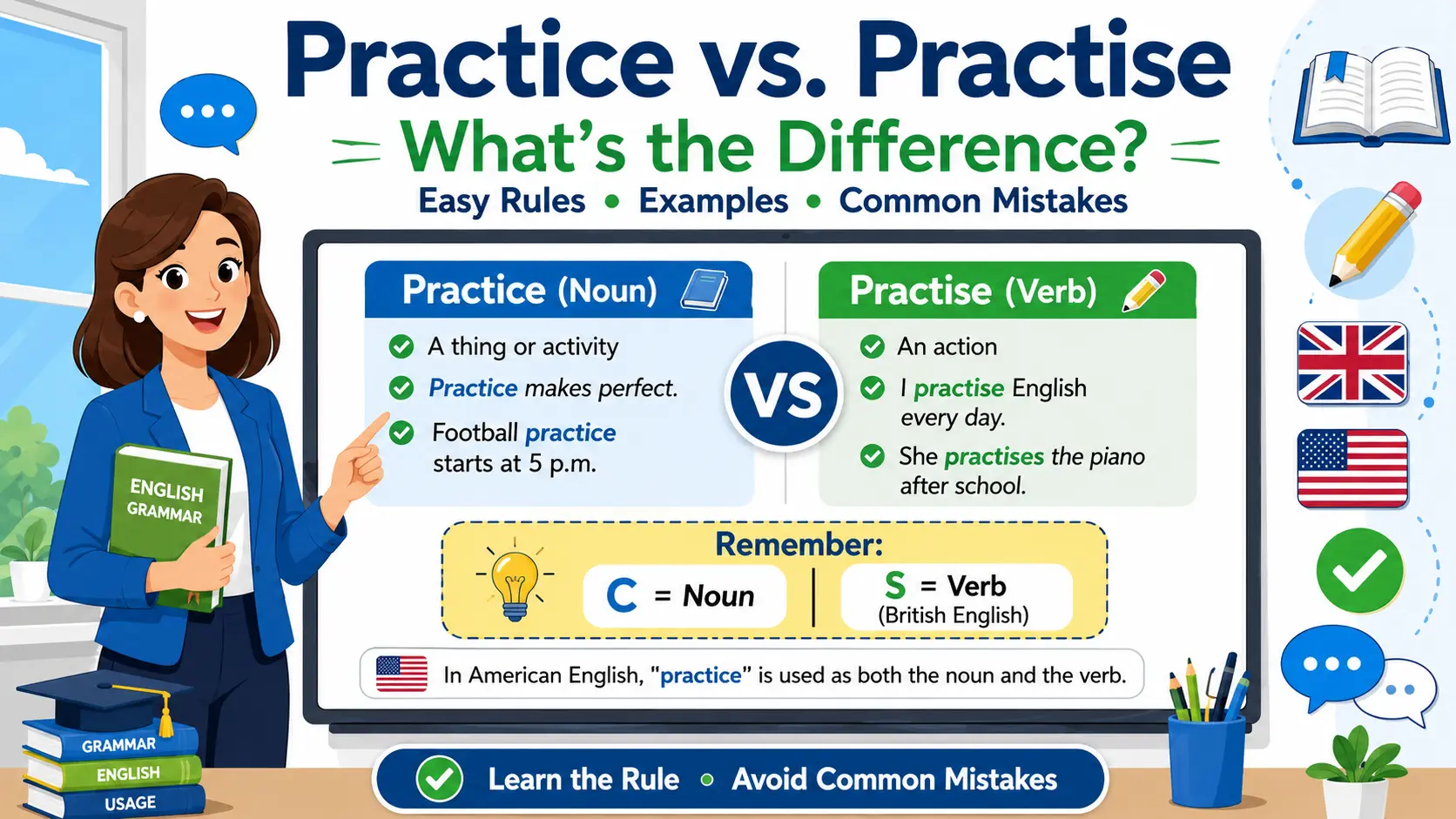
Practice vs. Practise: What’s the Difference? (Easy Rules, Examples & Common Mistakes)
The difference between practice vs. practise is one of the most common spelling questions in English. Although the words sound identical, they are used differently in British English and American English. Trust me, I’ve been there. It’s one of those linguistic trapdoors in the English language where you find yourself typing a word, looking at…
-
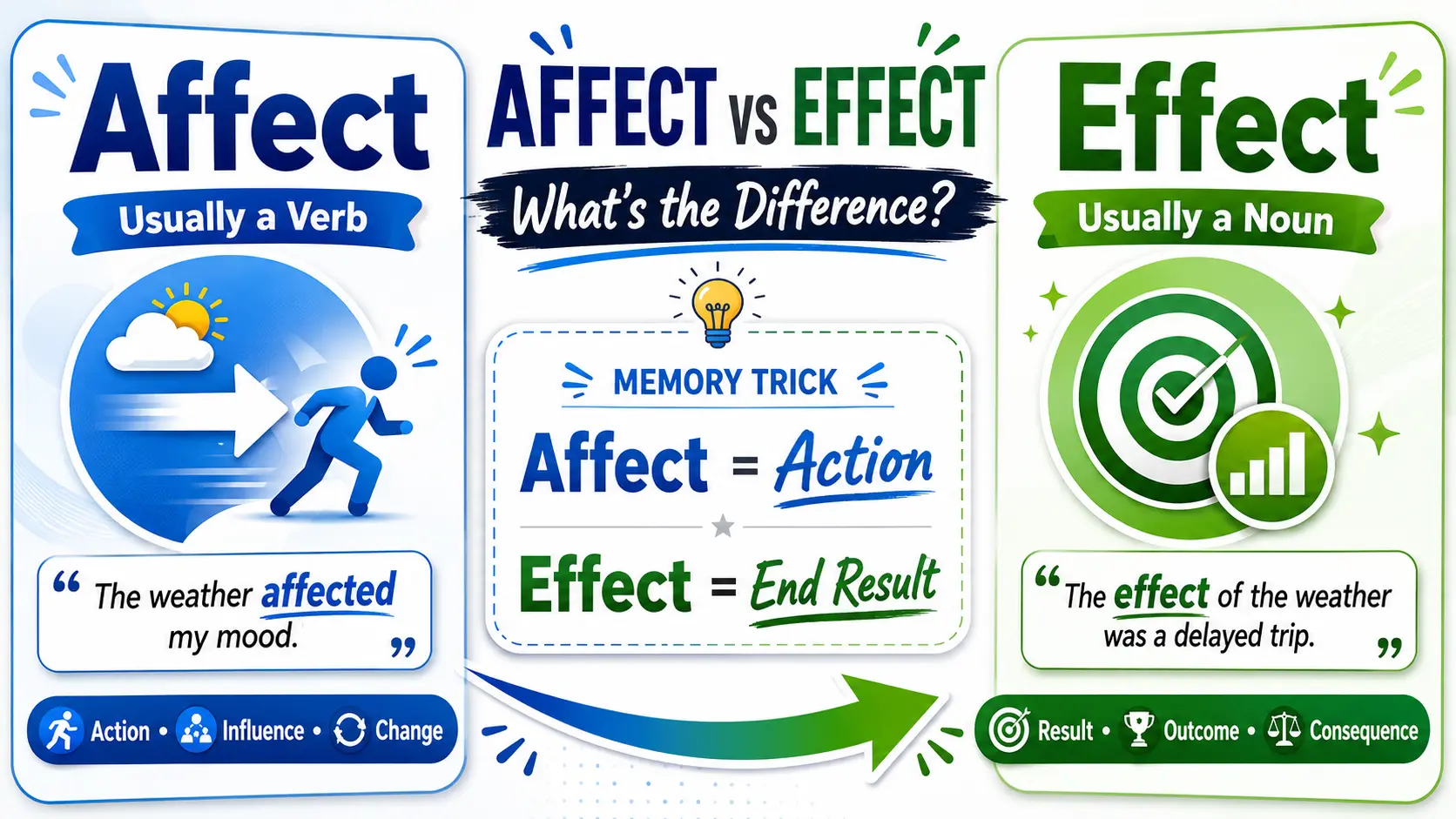
Affect vs Effect: What’s the Difference? (Easy Guide with Examples)
Many English learners struggle with affect vs effect because these words sound similar and are often used in related situations. Let’s be honest: even native English speakers look at a blank screen sometimes, cursor blinking, wondering whether to type affect or effect. It’s one of those grammar hurdles that feels designed to trip us up.…
-
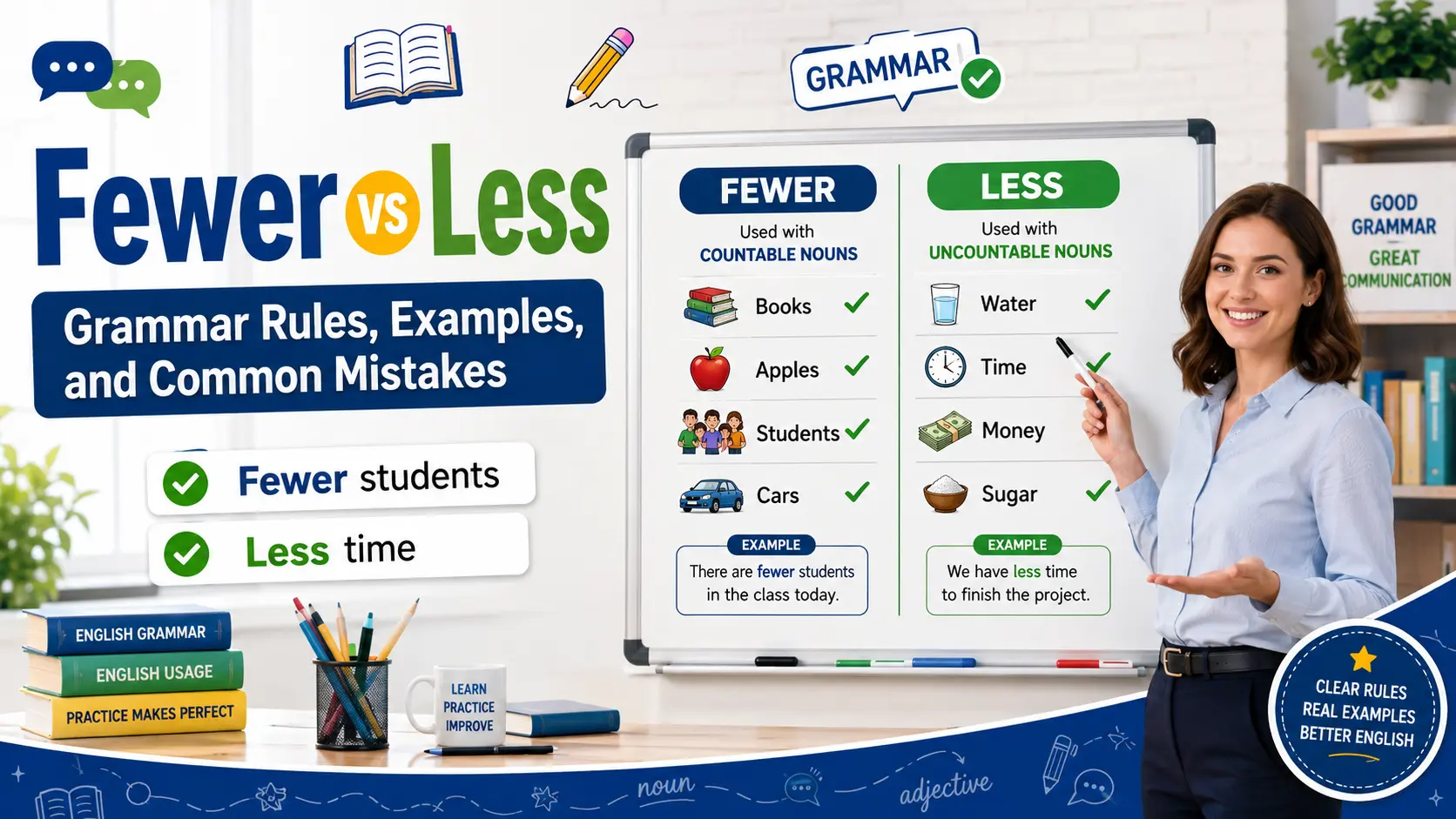
Fewer vs Less: Grammar Rules, Examples, and Common Mistakes
Fewer vs less is one of the most common grammar mistakes in English. Have you ever wondered whether you should say “fewer people” or “less people”? Many English learners—and even native speakers—confuse these two words. If you’ve ever stood in a grocery store checkout line, stared at the “10 items or less” sign, and felt…
-
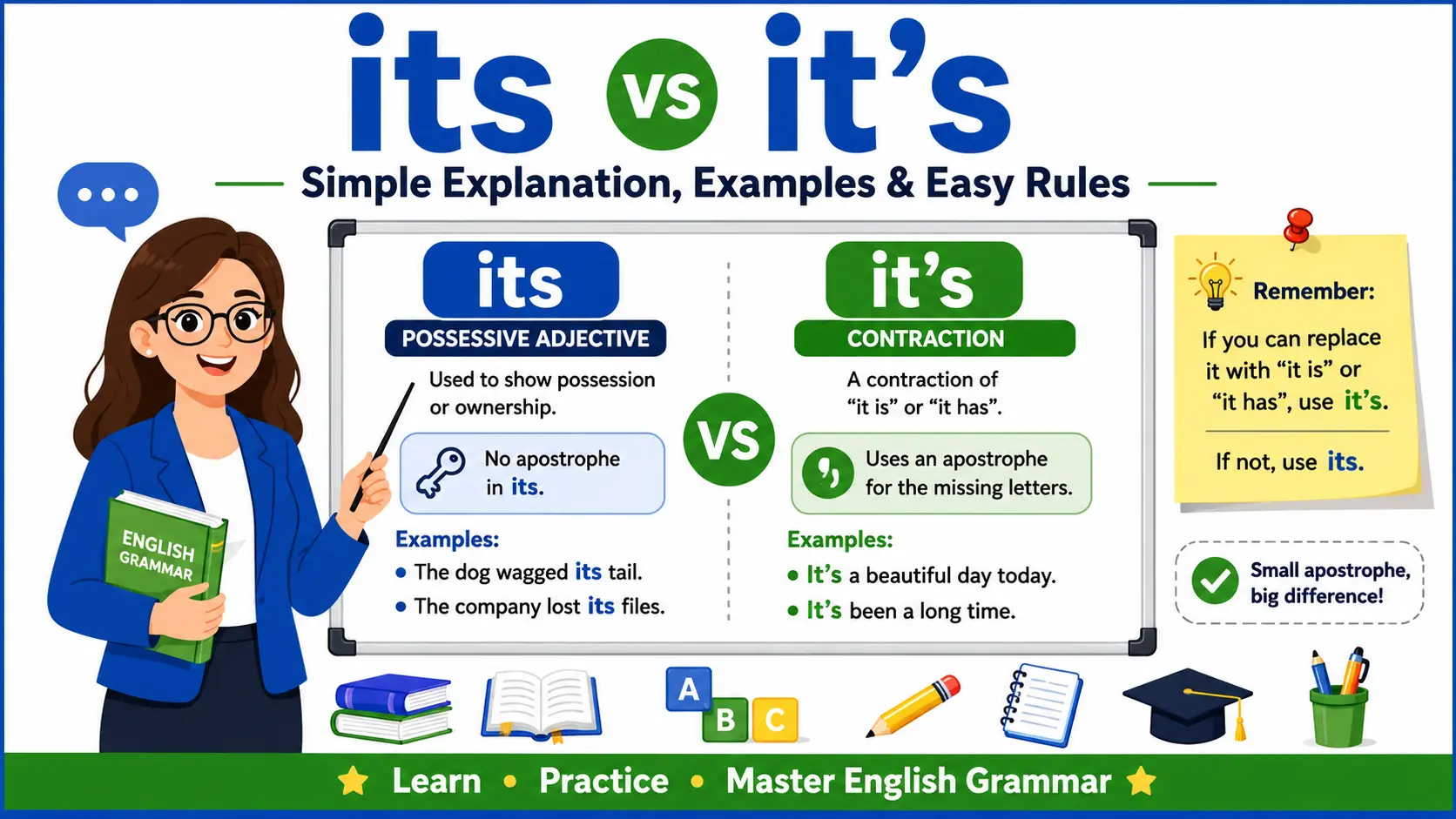
Its vs it’s : Simple Explanation, Examples & Easy Rules
Its vs it’s is one of the most common grammar mistakes in English. Many learners confuse these words because they look similar and sound the same. If you’ve ever stared at your screen for a full minute, hovering your thumb over the backspace key while trying to figure out which one to use, please don’t…
-
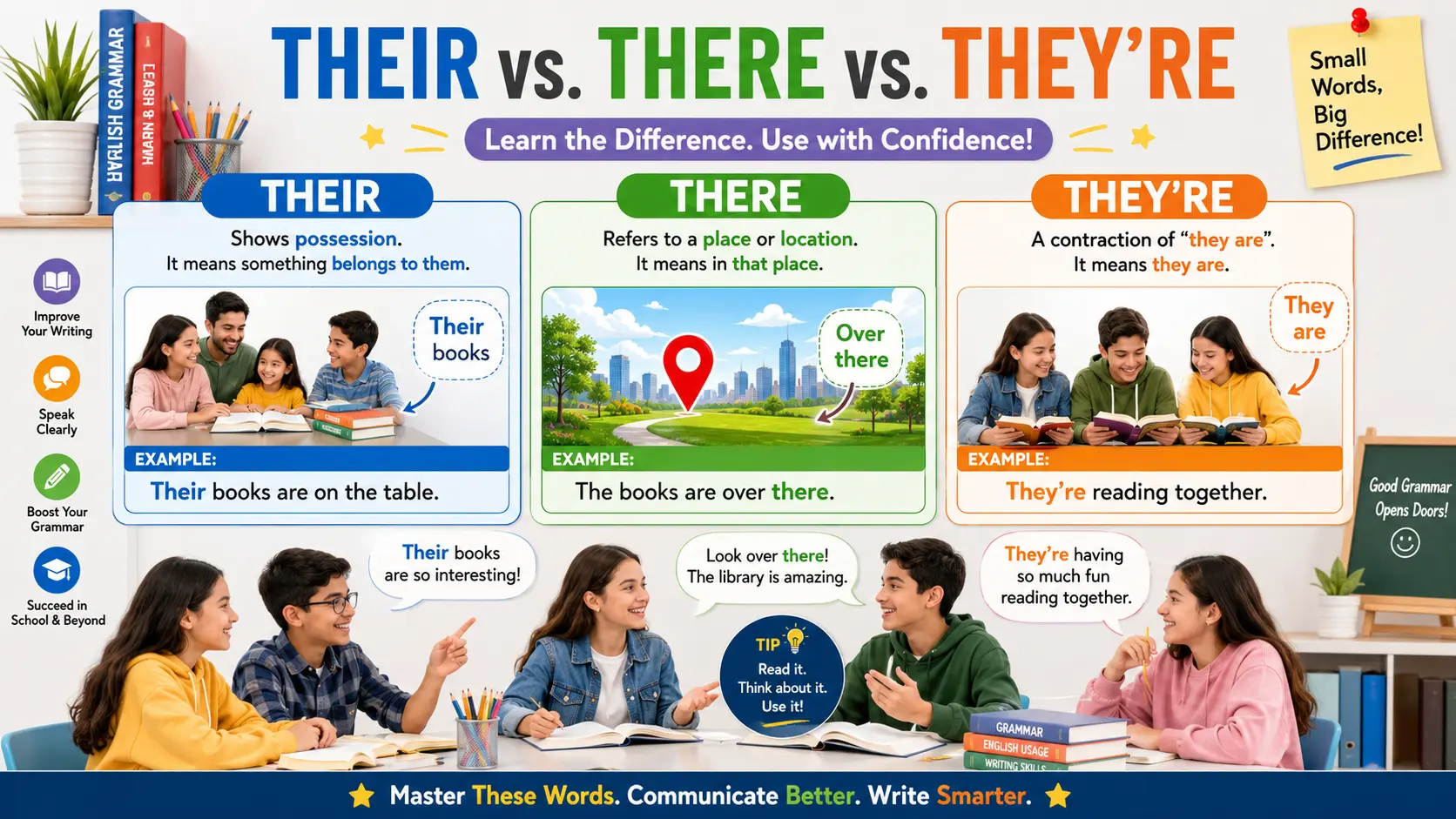
Their vs There vs They’re (Easy Guide + Examples)
Introduction Let’s be honest: we have all been there. You are typing out a quick message or writing an important email, your fingers are flying across the keyboard, and suddenly you pause. Wait, is it t-h-e-i-r or t-h-e-r-e? You are definitely not alone. This trio is famous for causing sudden typing paralysis, and honestly, it…
-
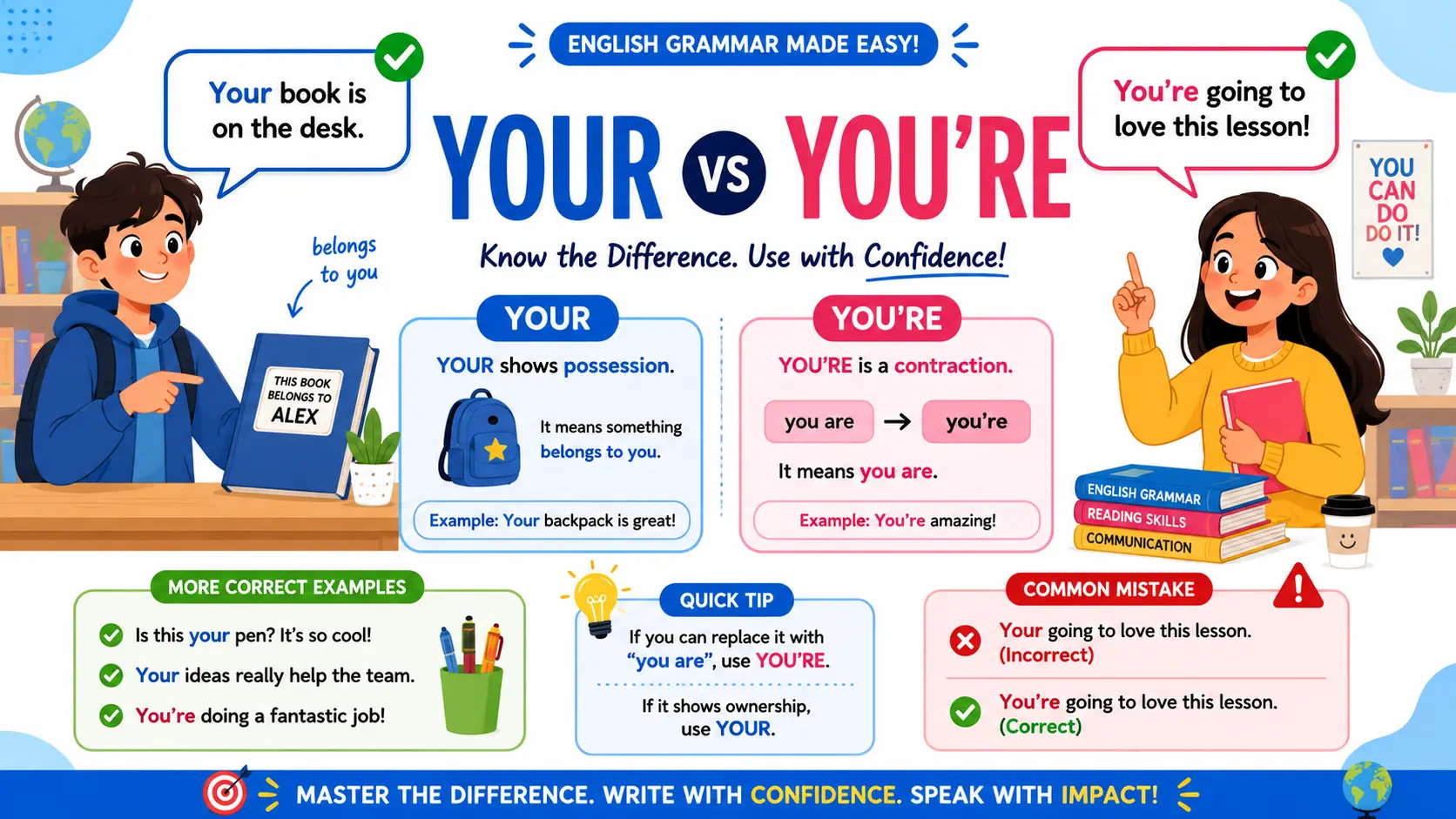
Your vs You’re: What’s the Difference?
Your vs you’re is one of the most common grammar mistakes in English. Many learners confuse these words because they sound the same when spoken. However, your and you’re have completely different meanings and uses. Understanding the difference between your vs you’re will help you write more clearly and avoid common errors. To be completely…